
Running is a fantastic way to stay active and maintain overall fitness, but it's important to prioritize injury prevention, understand effective treatment methods, and make informed choices regarding running shoes. In this comprehensive guide, we'll explore practical tips for injury prevention, recovery strategies, and top recommendations for running shoes. Whether you're a seasoned marathon runner or a beginner, this guide will provide valuable insights to optimize your running experience and support your training goals. Let's dive in!
Section 1: Choosing the Best Running Shoes for Performance and Injury Prevention
The foundation of a successful and injury-free running experience starts with selecting the right pair of running shoes. We recommend two exceptional options that cater to different preferences and needs:
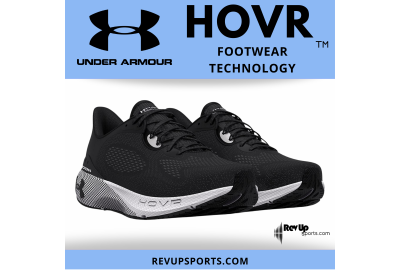
- Under Armour HOVR Sonic 6 Running Shoes: With UA HOVR™ Cushioning Technology, these shoes reduce impact on your feet and deliver a responsive ride for enhanced comfort. The breathable mesh upper keeps your feet cool and dry, while the external heel counter provides added stability and structure.
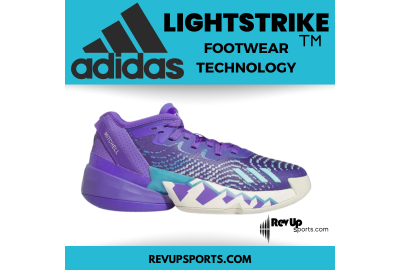
- adidas Adizero Super Light Lightstrike Running Shoes: Elevate your running game with these superlight shoes. The lightweight and highly responsive Lightstrike midsole offers great cushioning and comfort. The Continental Rubber outsole provides premium traction in wet and dry conditions, ensuring a secure grip. These shoes are ideal for runners seeking a fast and responsive feel during their runs.
Section 2: Preventing and Treating Achilles Tendinitis
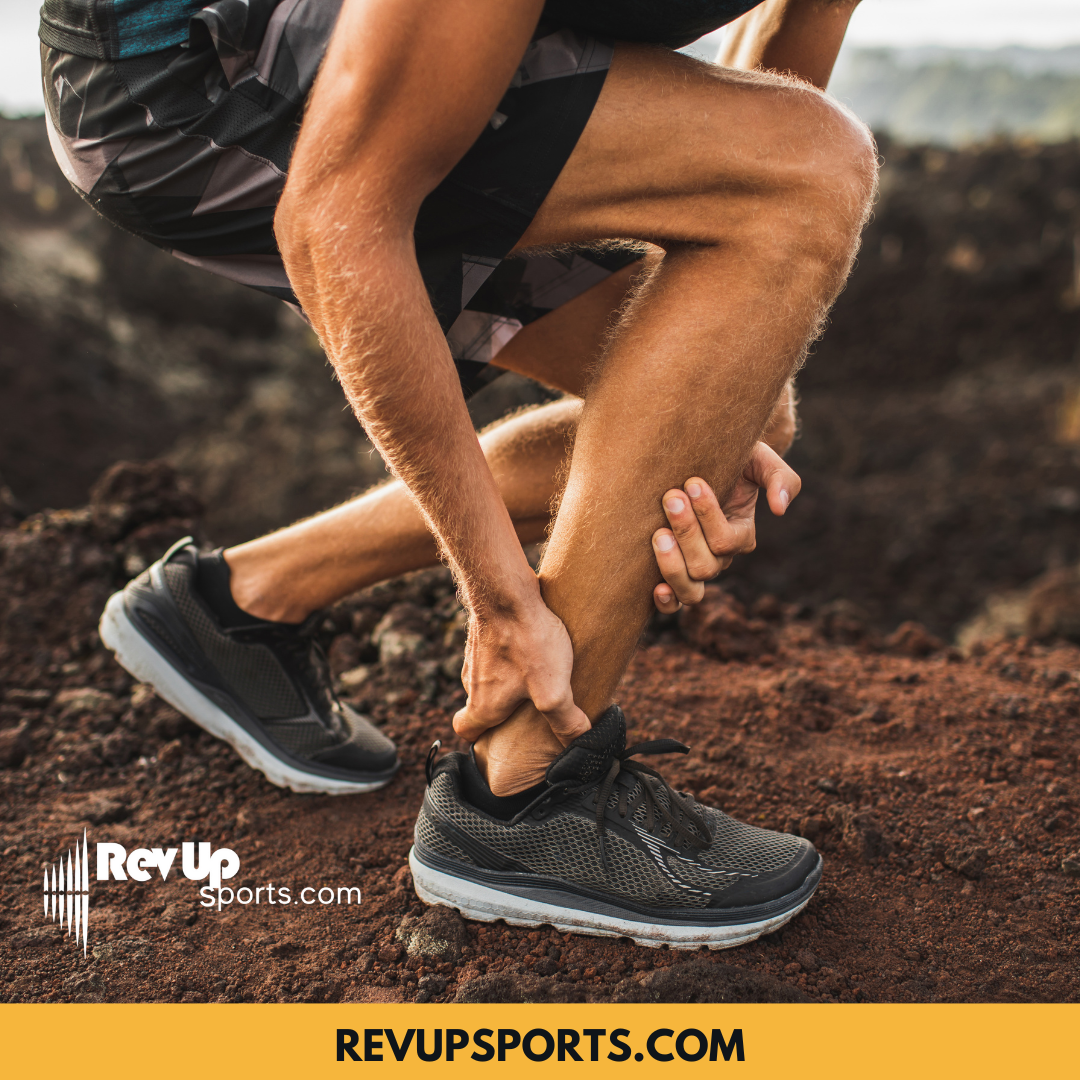
Achilles tendinitis can be a painful condition for runners, but with the right approach, you can prevent and manage it effectively.
Consider the following strategies:
- Wear appropriate running shoes: Opt for shoes that offer proper cushioning, support, and stability to reduce strain on the Achilles tendon, like the ones mentioned in Section 1.
- Rest and ice: If you experience Achilles tendon pain or inflammation, rest the affected tendon and apply ice packs to reduce swelling and discomfort.
- Stretching and strengthening exercises: Incorporate specific exercises recommended by healthcare professionals to stretch and strengthen the calf muscles and Achilles tendon. This can help alleviate symptoms and prevent further damage.
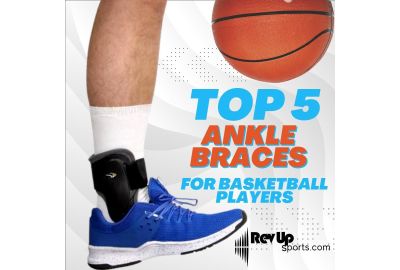
- To provide additional support and compression for Achilles tendinitis, we recommend the Brace Direct Sport Ankle Compression Support Sleeve. This lightweight and breathable 3D knit fabric sleeve offers Class II Compression, easing pain and improving circulation for a faster recovery. It features pressure pads at the base of the ankle for instant pain relief and support. The sleeve is ideal for Achilles tendonitis, sprained ankles, foot pain, swelling, and more.
Section 3: Managing Plantar Fasciitis for Pain-Free Runs
Plantar fasciitis can be a common challenge for runners, but there are effective ways to manage it and enjoy pain-free runs.
Consider the following tips:
- Choose running shoes with proper support: Both the Under Armour HOVR Sonic 6 and adidas Adizero Super Light Lightstrike shoes offer excellent arch support and cushioning, reducing strain on the plantar fascia.
- Utilize orthotic inserts or custom insoles: Use orthotic inserts or custom insoles to provide additional support and alleviate strain on the plantar fascia with inserts like these Breg Silicone Heel Cups.
- Rolling exercises: Use a tennis ball or a frozen water bottle to roll under the arch of your foot. This can help massage the plantar fascia and provide relief from discomfort.

Section 4: What to Do When You Strain/Sprain Your Ankle
Ankle sprains or strains can be common injuries among runners, but with proper care and support, you can facilitate the healing process and resume your running routine.
Consider the following steps:
- Rest and protect: Immediately after an ankle injury, it's crucial to rest and protect the affected area. Avoid putting weight on the injured ankle and use crutches if necessary.
- Ice and elevate: Apply ice packs to the injured ankle for 15-20 minutes every few hours to reduce swelling and inflammation. Elevate your leg above heart level whenever possible to further alleviate swelling.
- Compression and immobilization: Use compression bandages or sleeves to provide support and reduce swelling.
- For additional support and stability, we recommend the Brace Direct Easy Lace Up Ankle Support Brace. This brace features a perfect fit guarantee, and its easy and adjustable design allows for quick application and a customized fit. The dual straps wrap around the brace, providing lateral and medial support, eliminating the need for taping up the ankle. It is perfect for reducing and eliminating pain, stabilizing the ankle, and protecting against further injury.

By prioritizing injury prevention, selecting the right running shoes, and utilizing supportive product like those listed, you can enhance your running experience, promote recovery, and minimize the risk of future injuries. Remember to listen to your body, seek professional guidance when needed, and gradually progress your training to reach your running goals safely. Lace up, stay protected, and enjoy the journey of becoming a stronger, healthier runner.